
The Thrill of Uncertainty
The unpredictable nature of casino gaming plays a significant role in attracting players. The excitement of not knowing whether a spin, hand, or roll will lead to a win taps into the human desire for thrill and adventure. This element of uncertainty creates a psychological hook that keeps players engaged, as each gaming session offers the potential for a big payout. This thrill-seeking behavior is deeply rooted in human psychology, where the excitement of risk can lead to a rush of dopamine, a neurotransmitter associated with pleasure and reward. For those who wish to further understand this captivating phenomenon, they can read more about the intricacies of the gambling world.
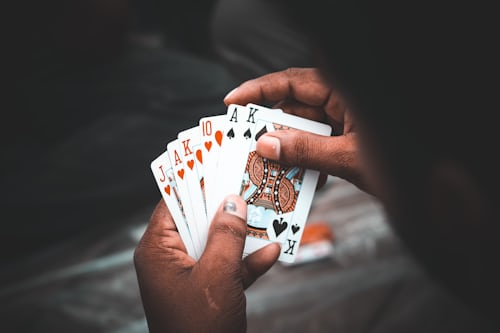
Moreover, this thrill is amplified by the design of casino games, which are meticulously curated to enhance this unpredictability. Features such as sound effects, vibrant visuals, and the celebratory atmosphere of winning all contribute to the sensory overload that captivates players. The brain reacts to these stimuli, reinforcing the desire to return for more exhilarating experiences.
The Role of Reward Systems
Casinos are adept at employing reward systems that further entice players to keep returning. Whether through loyalty programs, bonuses, or jackpots, these incentives play into the psychology of reinforcement. Slot machines and table games are often programmed to provide strategic wins, which create a pattern of behavior that conditions players to expect rewards regularly. The anticipation of winning, even a small amount, can be a powerful motivator that encourages continued play.
Additionally, the ‘near-miss’ phenomenon, where players come close to winning but fall short, is also strategically utilized in gaming design. This experience can elicit strong emotional responses and can even encourage players to wager again in hopes of finally achieving that elusive win. The interplay between reward systems and psychological conditioning is a key factor in why players find themselves returning to casinos time and again.
The Social Aspect of Casino Gaming
The social environment of casinos significantly enhances the gaming experience. Many players seek out casinos not just for the games but for the social interactions they provide. Engaging with others, sharing in the excitement of wins, or even commiserating over losses fosters a sense of community that can be very appealing. This social aspect often becomes an essential part of the gaming experience, as players build connections and relationships within these vibrant spaces.
Furthermore, the presence of staff, such as dealers and hosts, creates an atmosphere of camaraderie and entertainment. The dynamic interactions can often turn into lasting friendships, which may encourage individuals to return not only for the games but to reconnect with their social circles. This blend of social engagement and gaming creates a compelling reason for players to keep coming back.
Addiction and Escapism
For some, the casino environment offers an escape from reality. The immersive nature of gaming can provide a temporary distraction from daily stresses or personal challenges. However, this coping mechanism can sometimes lead to problematic behavior, as the line between entertainment and addiction can blur. The allure of escape can be powerful, drawing individuals back to the casino even when they may desire to stop playing.
Understanding the psychological underpinning of gambling addiction is crucial. Many players may not realize they are becoming addicted until it’s too late. Casinos, while providing a source of entertainment, must balance this dynamic by promoting responsible gaming. Despite this, the complex interplay of escape, the thrill of winning, and social engagement often keeps players locked in a cycle that’s hard to break.

Connecting with the Theater of Gaming
Just as theaters provide audiences with immersive experiences, casinos create their own form of performance art through gaming. The atmosphere, the excitement, and even the artistry of the games themselves combine to offer a unique experience that resonates with many, much like a theatrical production. In this way, casinos can be seen as a stage where players become part of a larger narrative, each spinning wheel or rolling dice contributing to a collective experience.
For those interested in exploring this intersection of entertainment, understanding how casinos function as modern theatrical spaces can enhance appreciation for both gaming and the performing arts. Just as theater-goers seek connection and engagement through performances, casino players find similar satisfaction in the shared experience of gaming, bringing them back for more.